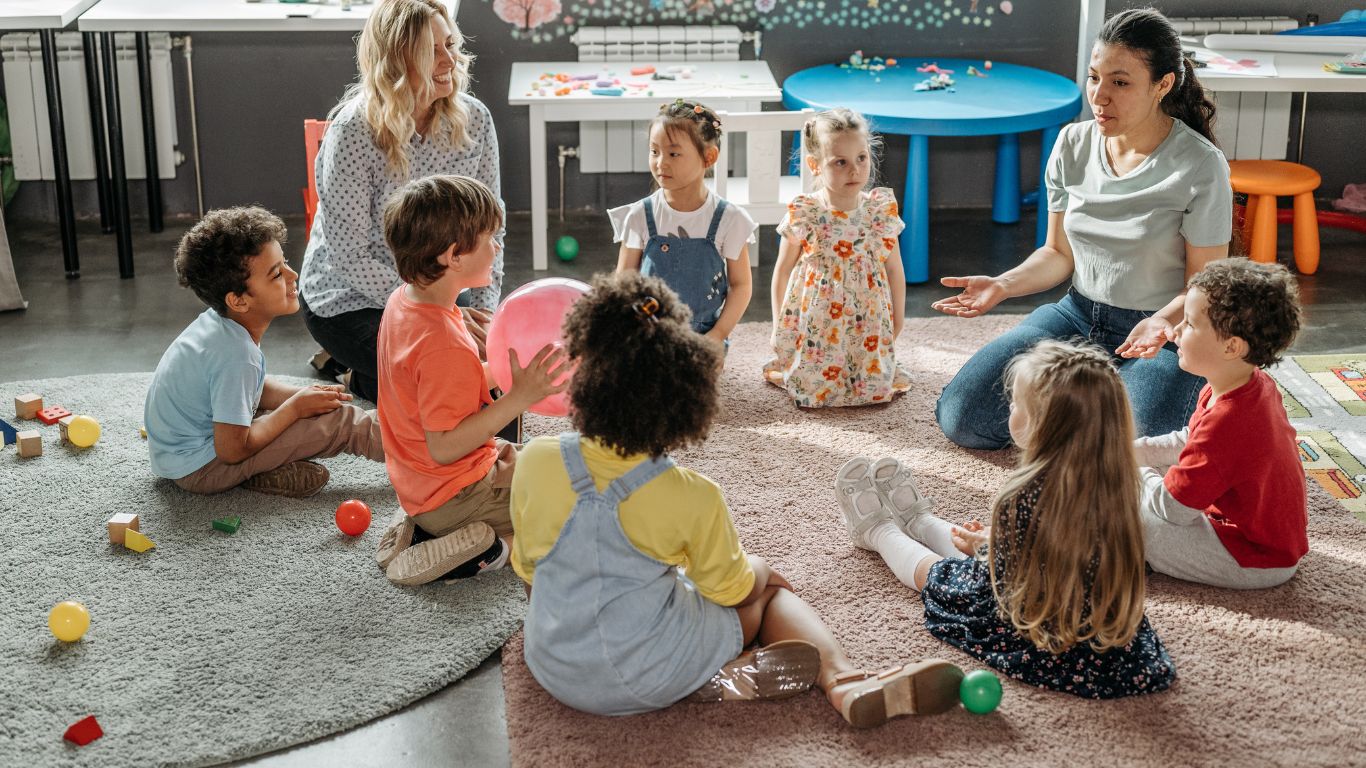
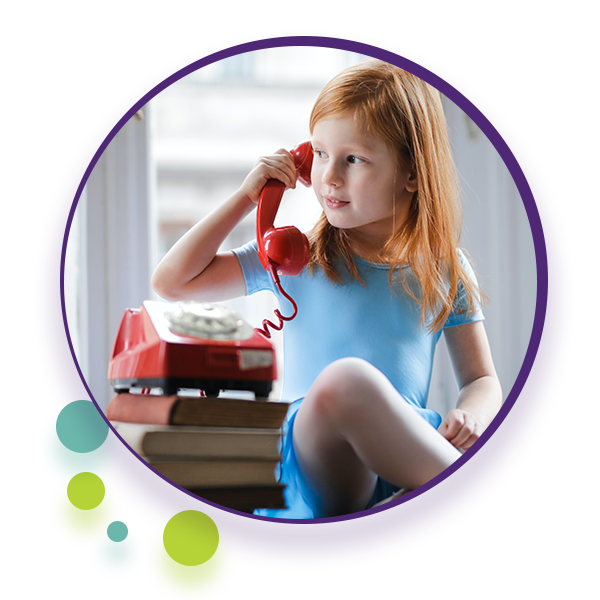
Social communication is how we use language to connect with the people around us. It’s what helps a child ask for help when they’re frustrated, join a group activity, recognize when someone wants a turn to talk, understand another person’s point of view, or respond appropriately in conversations.
When there are social communication difficulties, it can make social situations feel confusing, overwhelming, or frustrating. At The Clubhouse, our speech-language pathologists provide social communication therapy as part of our speech therapy services. Through our individualized social communication therapy for children, we can help your child build the social communication skills needed to navigate everyday interactions with greater confidence.
What is Social Communication?
Social communication, sometimes called social pragmatic communication, is the ability to use language effectively when interacting with other people. It includes verbal and nonverbal communication, conversation skills, understanding social cues, and adjusting communication based on the situation or the needs of the person you’re talking with. These skills help children build relationships, participate in school, express themselves, and better understand the people around them.
Social communication speech therapy is one area our speech-language pathologists address alongside expressive language and receptive language development. Through speech therapy for social skills, children learn strategies that support more successful communication at home, in school, and within the community.
Strong social communication allows a child to:
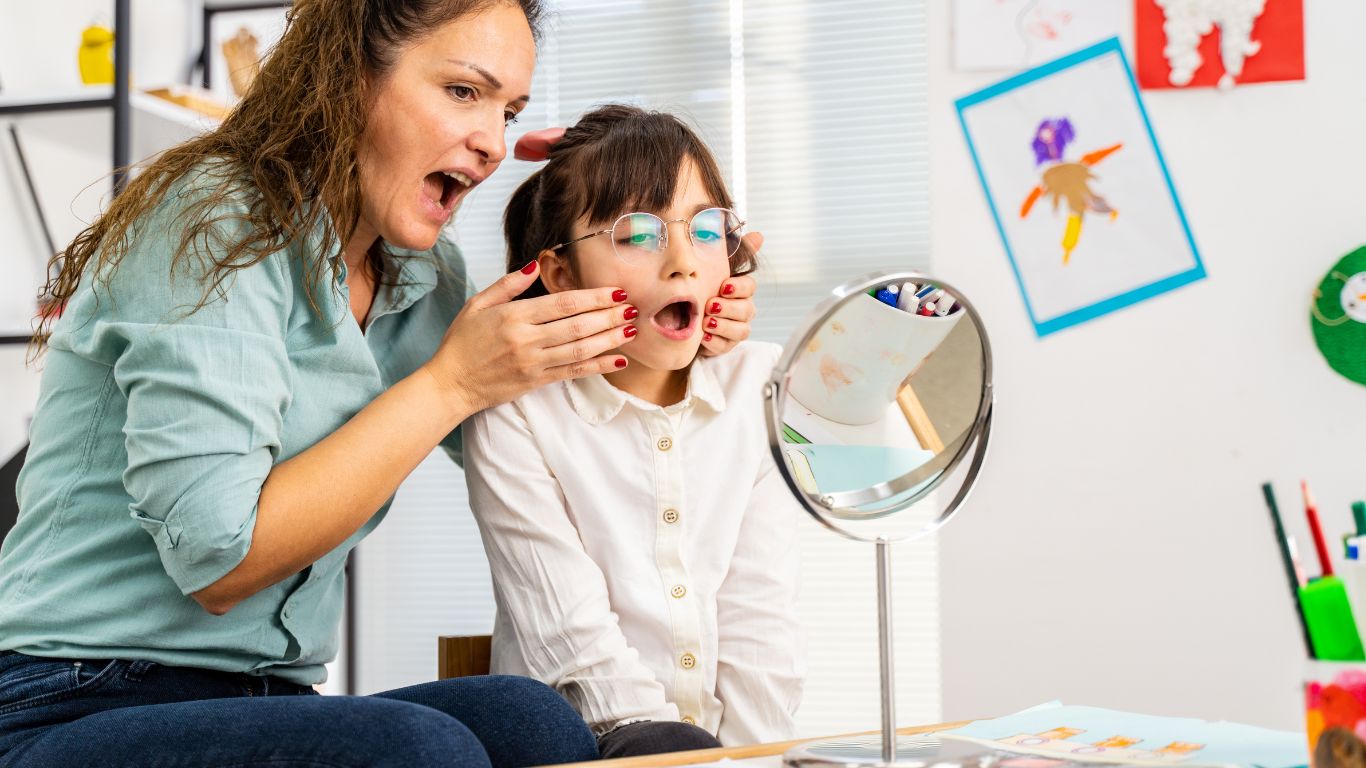
Signs Someone May Need Social Communication Support
Social communication develops gradually as children learn to interact with family members, peers, teachers, and other people in their lives. While every child develops at their own pace, some may need additional support learning how conversations work, interpreting social information, or communicating effectively in different situations.
There are often common signs that suggest your child may benefit from social skills therapy:
- Difficulty starting or maintaining conversations
- Trouble taking turns or staying on topic
- Difficulty understanding facial expressions, body language, humor, or sarcasm
- Challenges adapting communication to different people or environments
- Difficulty forming or maintaining peer relationships
Through speech therapy for social skills, children learn skills that support greater confidence, independence, and meaningful participation.
How Speech Therapy Supports Social Communication
Social communication is a skill that can be developed with the right support, guidance, and opportunities to practice. Our experienced speech-language pathologists help children strengthen these abilities by providing individualized instruction, engaging activities, and helpful strategies that encourage more successful communication.
- Individualized Goals: Therapy is tailored to your child’s strengths, challenges, communication style, and everyday needs.
- Guided Practice: Children practice social communication in structured, supportive activities designed to develop confidence and encourage success.
- Family Support: Parents and caregivers receive strategies to help reinforce social communication skills between therapy sessions.
The goal of social communication therapy is to help children become more confident, effective communicators in the situations they experience every day.
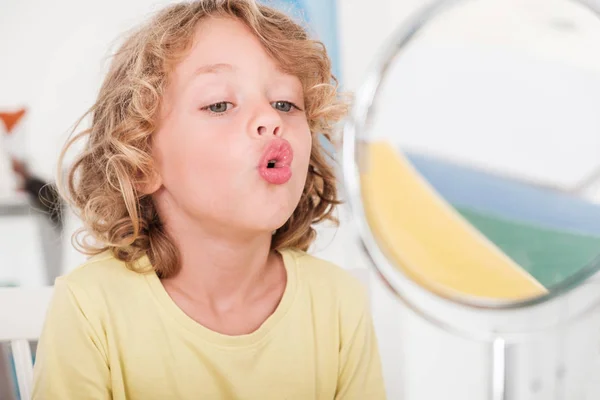
Communication Skills We May Work On
Whether it’s joining a group activity, solving a problem with a peer, or letting someone know how they’re feeling, social communication therapy helps children build skills they can use in meaningful ways.
Some of the skills we may work on include:
Conversation and Turn-Taking
A good conversation goes back and forth. We help children learn when to jump in, when to listen, and how to keep the conversation going instead of stopping after one comment or talking about only one favorite topic.
Understanding Social Cues
People communicate in lots of ways besides words. A smile, crossed arms, a puzzled look, or a change in someone’s voice can all send a message. We help children learn to notice those clues so social situations feel a little less confusing.
Seeing Different Points of View
It isn’t always easy to understand why someone else feels differently or reacts in an unexpected way. We help children think about another person’s point of view, whether they’re taking turns during a game or working together on a group activity.
Problem-Solving
Sometimes a game changes, another child wants the same toy, or something doesn’t go the way your child expected. We practice communication strategies that help children work through those moments instead of getting stuck or overwhelmed.
Emotional Awareness
Big feelings can make it hard to communicate. We help children recognize what they’re feeling, notice how someone else might be feeling, and find ways to express themselves that others can better understand.
Making and Maintaining Friendships
Friendships often start with small moments: saying hello, joining a game, sharing a laugh, or asking someone to play. We help children build the social communication skills that make those moments feel more comfortable and successful.
Using Appropriate Language in Different Social Settings
Talking with a teacher isn’t quite the same as talking with a sibling or another child. We help children recognize those differences so they feel more confident communicating wherever they are.
These skills aren’t learned overnight, but with encouragement, practice, and the right support, children can continue making progress. If you have questions about what social communication therapy for children includes, we’d be happy to have a conversation.
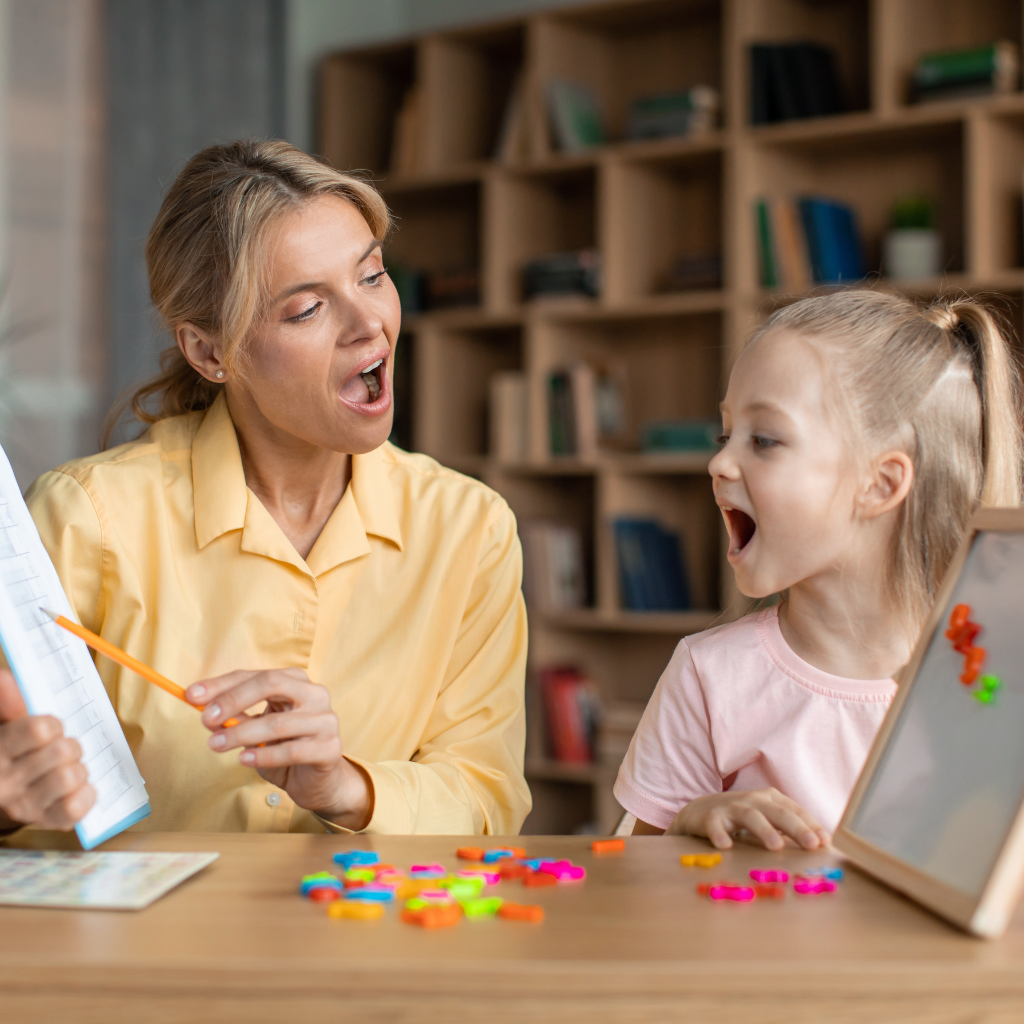
Who Can Benefit from This Therapy?
Some children have difficulty joining conversations, while others may struggle to understand social cues or express themselves during interactions. Social communication speech therapy is individualized to meet each child where they are and help them build the skills they need to communicate more effectively and confidently.
Children who may benefit include:
- Children who find it difficult to connect with peers or adults. They may want to interact with others but aren’t always sure how to start, respond, or keep the interaction going.
- Children who have trouble understanding nonverbal communication. Reading facial expressions, body language, gestures, or tone of voice can be challenging, making social situations harder to navigate.
- Children who struggle with the flow of conversation. They may have difficulty taking turns, staying on topic, recognizing when someone else wants to speak, or knowing how to end a conversation.
- Children who feel overwhelmed or anxious in social situations. Group activities, classroom discussions, or meeting new people may feel confusing or stressful without additional support.
- Children diagnosed with autism spectrum disorder (ASD). Many autistic children benefit from speech therapy for social skills to help strengthen social communication while building on their unique strengths and communication style.
Every child deserves to feel understood and connected in their own way. Social communication speech therapy helps build and reinforce the skills that make everyday interactions feel more successful, comfortable, and rewarding.
What to Expect from Social Communication Therapy
The best therapy starts with getting to know your child, not just their challenges. At The Clubhouse, we take the time to understand how they communicate, what motivates them, and where they need support. Our social communication therapy for children is personalized to their unique needs.
1. Assessment
We begin by getting to know your child through a comprehensive evaluation, observing how they communicate, interact with others, and use social communication across different situations.
2. Personalized Goals
Using the information gathered during the evaluation, we develop individualized goals that focus on the communication skills that will make the biggest difference for your child.
3. Engaging Therapy Sessions
Learning happens through play, conversation, role-playing, games, and other interactive activities that give children opportunities to practice new skills in a supportive environment.
Ongoing Growth
As your child develops, we celebrate progress, adjust goals when needed, and provide families with strategies to help reinforce social skills therapy beyond the therapy room.
Progress doesn’t happen all at once, but small gains can lead to big changes over time. By strengthening social communication skills through personalized therapy, we help children continue building on their successes session after session.
Social Communication Therapy at Our Locations
Just like you, we want your child to feel understood and supported. At The Clubhouse, we provide individualized pragmatic language therapy for families throughout Chicago and the western suburbs through our Downers Grove and North Mayfair locations. Our qualified speech-language pathologists are dedicated to the development of your child.
Frequently Asked Questions
Social communication therapy helps children develop the skills needed to communicate successfully with others. Therapy focuses on conversations, social cues, nonverbal communication, perspective-taking, and other skills that support meaningful interactions at home, at school, and in the community.
Yes. Social communication is one area that speech-language pathologists evaluate and treat. Social communication speech therapy helps children learn how to use their language skills effectively during conversations and social interactions.
Some children may have trouble taking turns in conversations, understanding facial expressions or body language, staying on topic, recognizing humor or sarcasm, or knowing how to communicate differently in different situations. These challenges are often part of social pragmatic communication and can improve with individualized support.
Children can begin therapy as soon as social communication challenges become noticeable. Early support through pragmatic language therapy can help children build foundational communication skills while they’re developing and learning new ways to interact with others.
Every child’s journey is different, so there’s no set timeline. The length of social skills therapy depends on your child’s progress, with therapy evolving as new skills are developed over time.
Explore Social Communication Therapy at The Clubhouse
Helping children communicate with confidence is a huge part of our purpose, and we’d be honored to be included in your family’s journey. If you have concerns about social communication difficulties with your child, we’re here to help. Contact The Clubhouse to schedule an evaluation or learn more about the speech therapy services available at our Downers Grove or North Mayfair offices.