Childhood Apraxia of Speech (CAS)
Childhood apraxia of speech, often called CAS or apraxia, is a motor speech disorder that affects a child’s ability to plan and coordinate the movements needed for clear speech. A child with apraxia may know exactly what they want to say, but their brain has difficulty sending the right movement messages to the lips, tongue, jaw, and palate. At The Clubhouse, our pediatric speech-language pathologists help children build clearer, more confident communication through individualized, play-based speech therapy.
We meet each child where they are, create goals that fit their needs, and partner closely with families so progress can carry over into home, school, and everyday routines.
What Is Childhood Apraxia of Speech?
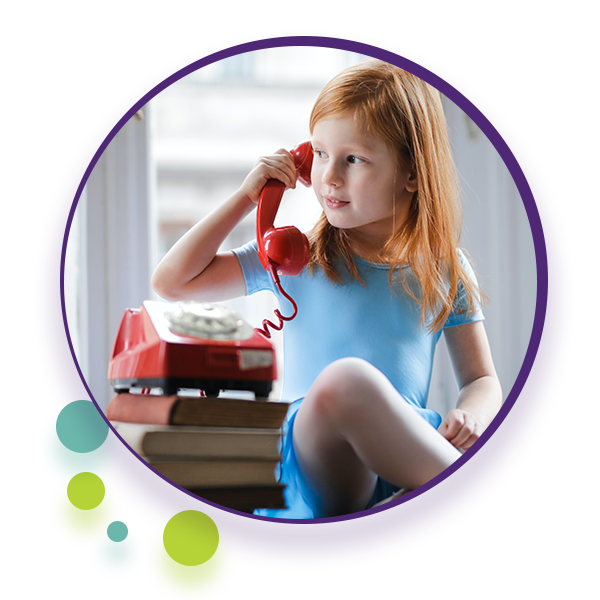
Unlike some other speech disorders, childhood apraxia of speech isn’t caused by muscle weakness. Instead, it’s related to issues with motor planning.
This means the child’s speech muscles may be strong enough, but the child has difficulty coordinating the precise movements needed to say sounds, syllables, words, and phrases accurately.
Children with apraxia may have trouble producing the same word the same way each time. Longer words and phrases may be especially challenging. Speech may sound unclear, inconsistent, or effortful, even when the child understands language and is motivated to communicate.
Because CAS can look different from child to child, a comprehensive speech and language evaluation is an important first step. The goal is to understand your child’s strengths, identify what’s making speech difficult, and create a therapy plan that supports meaningful communication.
Common Signs of Childhood Apraxia of Speech
A child with apraxia may show one or more of the following signs:
- Limited babbling or vocal play as an infant
- Delayed first words
- Difficulty imitating sounds, syllables, or words
- Inconsistent sound errors, such as saying the same word differently across attempts
- Trouble moving smoothly from one sound or syllable to the next
- More difficulty with longer words or phrases
- Visible effort, searching, or “groping” movements when trying to speak
- Speech that is hard for unfamiliar listeners to understand
- Frustration when trying to communicate verbally
Not every child with unclear speech has apraxia. Speech sound delays, phonological disorders, language delays, hearing differences, and other developmental needs can also affect communication. A speech-language pathologist can help determine the underlying cause and what type of support is most appropriate.

Can My Child Benefit from Apraxia Speech Therapy?
Speech therapy for apraxia may be helpful if your child:
- Has been diagnosed with childhood apraxia of speech
- Has suspected motor planning difficulties
- Struggles to imitate sounds or words
- Uses only a small number of spoken words or sound patterns
- Is difficult to understand, especially outside the family
- Becomes frustrated because they know what they want to say but cannot say it clearly
- Has speech needs related to autism, developmental delays, or other diagnoses
At The Clubhouse, we support all forms of communication. Spoken words, AAC, signs, gestures, and multimodal communication are all meaningful ways for a child to express themselves. For some children with apraxia, AAC can reduce frustration and support language development while speech skills continue to grow.
How Speech Therapy Helps Children with Apraxia
Apraxia therapy focuses on helping children practice the movement patterns needed for speech. Because CAS involves motor planning, therapy often includes frequent practice, repetition, cueing, and carefully selected speech targets.
Your child’s therapist may work on:
- Building a wider variety of sounds and syllable shapes
- Practicing functional words your child can use every day
- Improving accuracy and consistency of speech movements
- Moving from simple syllables to words, phrases, and sentences
- Strengthening speech clarity and intelligibility
- Supporting rhythm, stress, and natural speech patterns
- Reducing frustration through communication strategies
- Helping your child use speech skills across people, places, and routines
Speech therapy is most effective when it’s individualized and consistent. Some children begin with simple sounds or word approximations. Others are ready to practice phrases, sentences, or conversation-level speech. At every stage, the focus is on helping your child communicate more clearly and confidently.

What to Expect During Speech Therapy at The Clubhouse
1. Comprehensive Speech & Language Evaluation
We begin by learning about your child’s communication history, current skills, family concerns, and daily communication needs. The evaluation may include observation, play-based interaction, speech sound testing, oral-motor observation, imitation tasks, language assessment, and caregiver input.
2. Individualized Treatment Plan
After the evaluation, your speech-language pathologist will recommend therapy goals and session frequency based on your child’s needs. Goals may focus on speech movement accuracy, functional communication, intelligibility, expressive language, receptive language, AAC, or a combination of areas.
3. Play-Based, Child-Centered Sessions
At The Clubhouse, therapy is engaging and motivating. Sessions may use toys, games, books, movement, music, routines, or your child’s favorite activities to make practice feel meaningful. Children learn best when they feel safe, supported, and excited to participate.
4. Repetitive Practice with Supportive Cueing
Children with apraxia often need many opportunities to practice target words and movement patterns. Your therapist may provide visual, verbal, tactile, or gesture-based cues, then gradually reduce support as your child becomes more independent.
5. Family Coaching and Home Practice
Families are an essential part of progress. Your therapist will share practical ways to support your child outside the clinic, such as practicing a small set of functional words during meals, play, dressing, bath time, or school routines.
6. Ongoing Progress Monitoring
Your child’s therapist will track progress, adjust goals, and update strategies as your child grows. Therapy plans are flexible and may change as your child gains new sounds, words, phrases, and communication confidence.
Our Approach to Childhood Apraxia of Speech
The Clubhouse provides pediatric speech therapy in a supportive, collaborative environment. Our approach is:
Evidence-Based
We use research-informed strategies designed to support motor speech learning, speech sound development, language growth, and functional communication.

Individualized
No two children with apraxia are exactly alike. For that reason, we choose therapy targets based on your child’s communication needs, developmental level, interests, and family priorities.
Play-Based
Practice matters, but so does motivation. We use playful, meaningful activities to help children stay engaged while working toward challenging speech goals.


Family-Centered
Parents and caregivers know their child best. We partner with families to create goals that matter in real life and provide strategies that can be used beyond the therapy room.
Supportive of All Communication
Some children benefit from AAC, signs, gestures, visual supports, or other tools while they continue developing spoken speech. We believe every form of communication is valuable.

Therapeutic Techniques We May Use
Your child’s therapy plan may include a combination of approaches, such as:
Motor-Based Speech Practice
Structured practice helps children learn and repeat the movement patterns needed for sounds, syllables, words, and phrases.
Dynamic Cueing
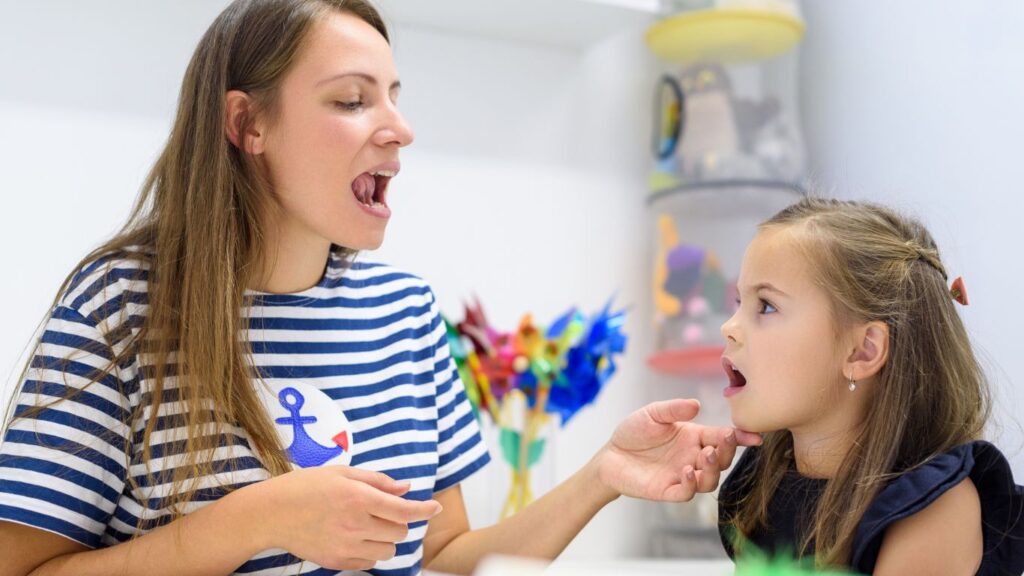
The therapist may provide different levels of support, such as modeling, slowing the word down, giving visual cues, or using tactile prompts, then fade those cues as your child becomes more successful.
Integral Stimulation
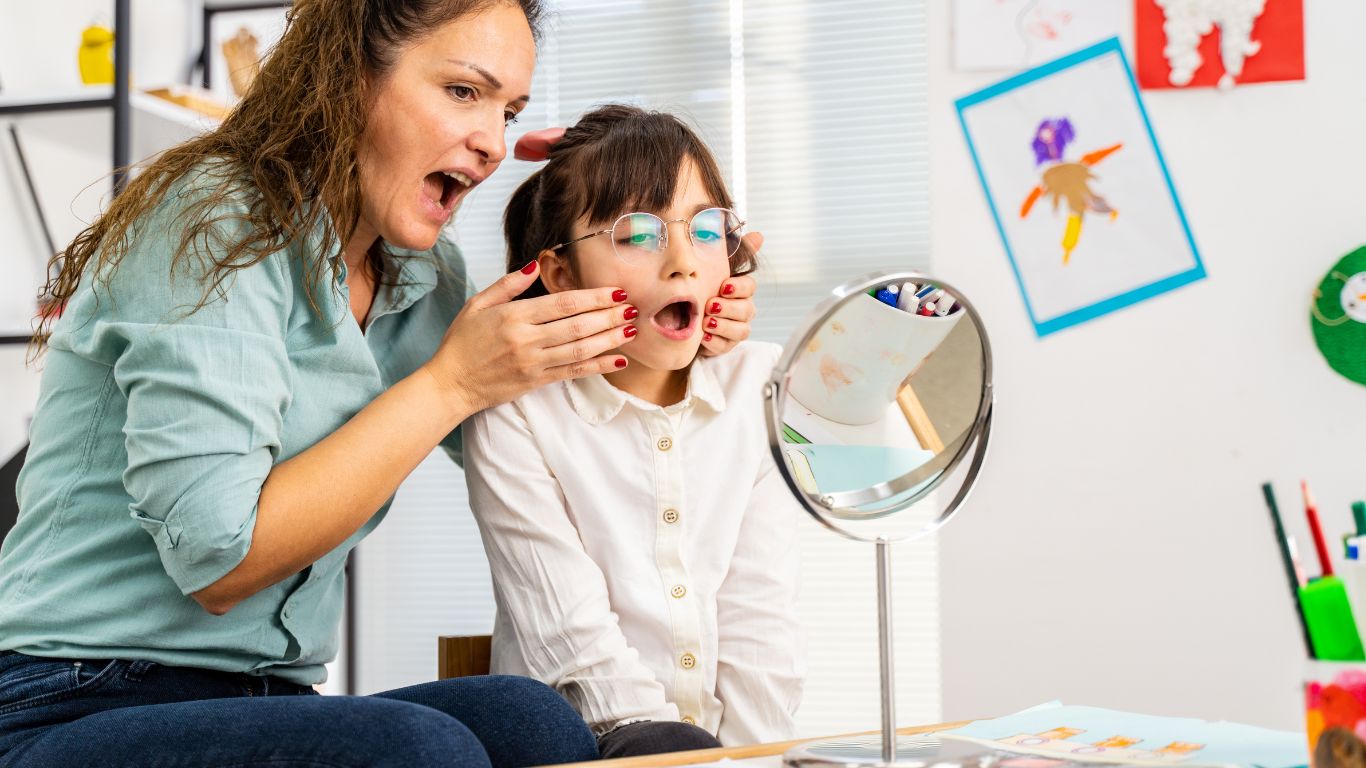
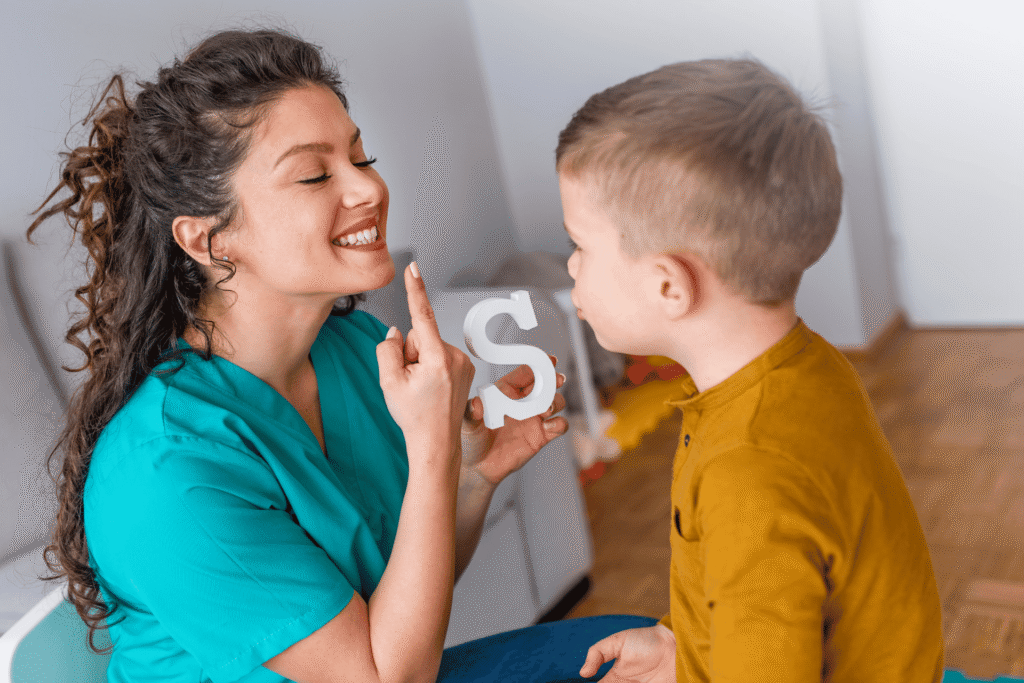
Your child may be encouraged to “watch me, listen to me, and say it with me,” helping them connect what they hear and see with how speech movements feel.
Functional Word Practice
Therapy often includes words that are useful in your child’s daily life, such as names, favorite toys, foods, requests, greetings, and social phrases.
AAC and Multimodal Communication
When appropriate, we may support communication through AAC devices, picture systems, signs, gestures, or other tools that help your child express themselves while speech develops.
AAC and Multimodal Communication
When appropriate, we may support communication through AAC devices, picture systems, signs, gestures, or other tools that help your child express themselves while speech develops.
Carryover and Generalization
We help children use new communication skills with different people, in different settings, and during everyday routines.
How Parents Can Support a Child with Apraxia
You don’t need to become your child’s therapist at home. Small, consistent moments of practice can make a big difference.
Helpful home strategies may include:
- Practicing a few functional words during daily routines
- Repeating words in a playful, low-pressure way
- Giving your child time to respond
- Celebrating communication attempts, not just perfect speech
- Using gestures, signs, pictures, or AAC when helpful
- Keeping practice short and positive
- Following your therapist’s home recommendations
Your Clubhouse therapist will help you understand what to practice, how often to practice, and how to keep it manageable for your family.

When Should I Schedule an Evaluation?
Consider scheduling a speech evaluation if your child:
- Is not meeting speech milestones
- Has very limited spoken words
- Is difficult to understand
- Seems to understand more than they can say
- Struggles to imitate sounds or words
- Says words inconsistently
- Becomes frustrated when trying to talk
- Has been diagnosed with or is suspected to have childhood apraxia of speech
Early support can help your child build communication skills and reduce frustration. If you’re unsure whether your child needs therapy, an evaluation can provide clarity and next steps.
Childhood Apraxia of Speech Therapy in Chicago and the Surrounding Area
The Clubhouse offers pediatric speech therapy for children with childhood apraxia of speech and other communication challenges. Our team supports families in Chicago and surrounding communities through individualized therapy, family collaboration, and a warm, play-based approach.
Our speech therapy services are available at Clubhouse locations including North Mayfair and Downers Grove, supporting families across Chicago and nearby communities.
Help Your Child Find Their Voice
If your child has been diagnosed with childhood apraxia of speech, or you’re concerned about their speech development, The Clubhouse is here to help. Our pediatric speech-language pathologists provide individualized, play-based therapy designed to support clearer speech, stronger communication, and greater confidence.
Contact The Clubhouse today to get started with pediatric speech therapy in Chicago.
Frequently Asked Questions
No. A speech delay means a child is developing speech skills more slowly than expected. Childhood apraxia of speech is a motor planning disorder that affects the child’s ability to coordinate the movements needed for speech. A speech-language pathologist can help determine the difference.
Many children with apraxia understand much more than they can express verbally. CAS primarily affects speech production, not intelligence or the desire to communicate. Some children may also have language delays or other developmental needs, which can be addressed in therapy.
Therapy frequency depends on your child’s age, needs, severity, attention, goals, and overall communication profile. Children with apraxia benefit from consistent, frequent practice. After an evaluation, your therapist will recommend a schedule that fits your child’s needs.
Some children with apraxia benefit from AAC or other communication supports while they are building spoken speech. AAC does not prevent speech from developing. Instead, it can reduce frustration, support language growth, and give your child more ways to communicate.
Every child progresses differently. Some children need support for a shorter period, while others benefit from therapy over several years. Progress depends on many factors, including severity, consistency of practice, co-occurring needs, and how well strategies carry over into daily life.
Reach out to The Clubhouse to schedule a speech and language evaluation. Our team will help you understand your options, answer questions, and connect your child with a speech-language pathologist who can recommend the right next steps.