

What is Occupational Therapy?
Occupational Therapy focuses on addressing a child’s ability to engage in everyday activities, including motor skills, focus, and peer socialization. These skills can be hindered if they experience disruptions in their sensory processing. Disruption in the normal processing of sensory information can result in any of the following:
- Avoids getting messy or touching objects with certain textures
- Doesn’t seem to notice mess on face or hands
- Decreased or increased sensitivity to pain
- Difficulty staying on task
- Walks on his/her toes
- Is bothered by the touch of others or touches others to an irritating degree
- Distracted by sounds or lights that others may not notice
- Tantrums are easily triggered by environmental stimuli
- Fear of movement or frequently in motion
- Hypersensitive to bright lights or certain sounds
How does Occupational Therapy at the Clubhouse work?
At the Clubhouse, pediatric occupational therapy starts with a personalized evaluation to understand your child’s strengths and challenges. From there, we create a custom treatment plan that helps build essential skills for everyday life at home, school, and in the community, focusing on areas like motor coordination, sensory processing, and daily routines.
Therapy takes place in our clinic and may also include support at home or school. We believe in close collaboration with teachers and caregivers to make sure strategies are consistent across all settings.
Proudly serving Chicago, IL and surrounding suburbs, our goal is to help children build independence, confidence, and lasting progress in everyday life.
Interested in learning more?

Occupational Therapy can address:
- Independent Daily Living
- Feeding Aversions
- Sensory Processing
- Strength, Coordination, & Fine Motor Skills
- Attention Span & Focus
Benefits of Occupational Therapy
- Improved motor skills
- Better coordination
- Enhanced sensory processing
- Increased independence
- Greater confidence
- Improved daily living skills
- Better focus and attention


Areas We Serve
- Downers Grove
- North Mayfair
- Westmont
- Clarendon Hills
- Lisle
- Hinsdale
- Oakbrook Terrace
- Darien
- Albany Park
- Edgebrook
- Forest Glen
- Jefferson Park
Who We Serve
Our pediatric occupational therapy services support toddlers, preschoolers, school-age children, and adolescents who may need extra help navigating daily life. Whether your child is just beginning to explore the world or preparing for more independence at school or home, we tailor our care to meet them where they are developmentally.
We work with children facing challenges like motor development differences, differences in sensory processing, handwriting difficulties, and attention or regulation needs. Our therapists also support children with autism, Down syndrome, and other developmental conditions. We support children in finding sensory and movement strategies that help them feel regulated, confident, and comfortable in daily activities.

Therapeutic Techniques
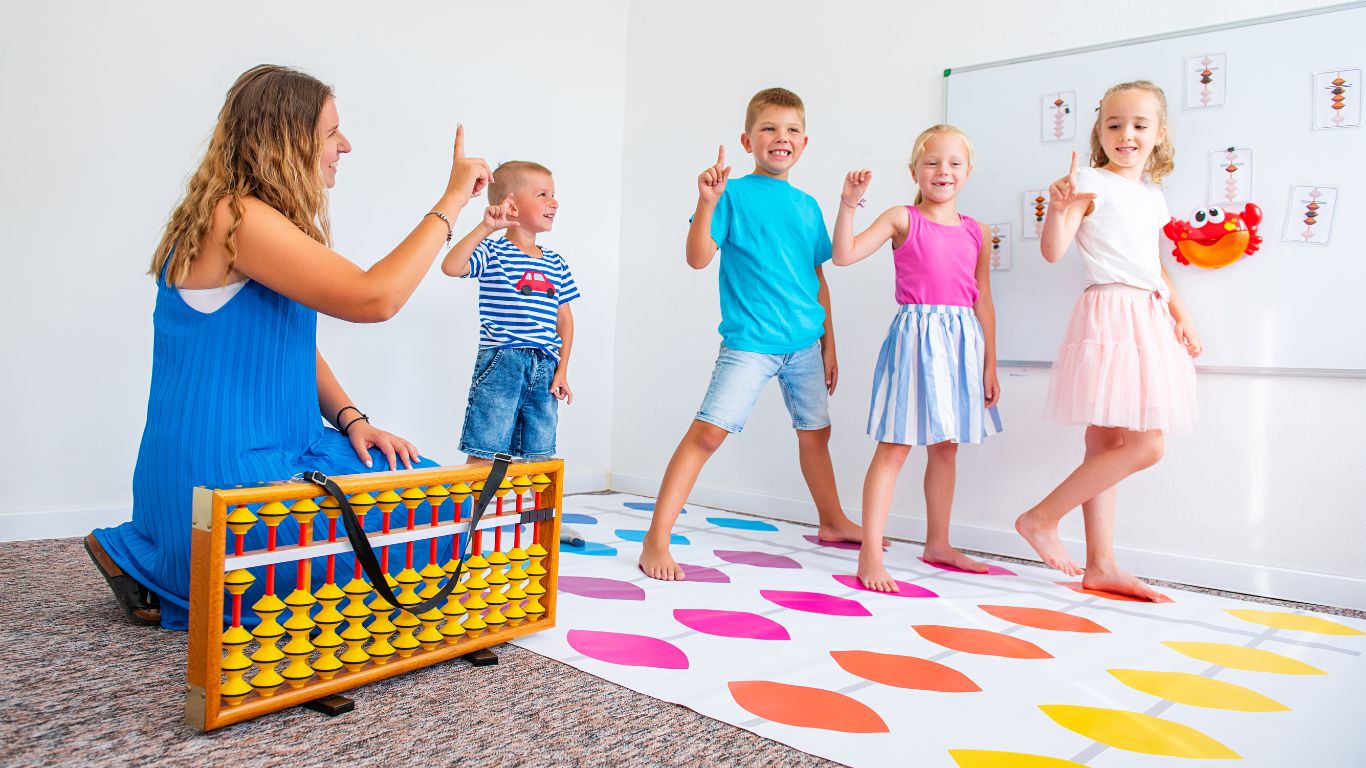
Our occupational therapists use evidence-based strategies to help children gain independence and confidence in everyday tasks. Each approach is personalized to support real-world skill development in a fun, engaging environment.

Modeling and Imitation
Therapists demonstrate motor, self-care, and daily living skills so children can observe and practice. This approach builds a strong foundation for learning new routines and physical tasks.

Prompting
We guide children through tasks with prompts, then gradually fade that support to promote independence. This technique is commonly used in coordination with ABA therapy to reinforce self-directed behavior.
Generalization Strategies
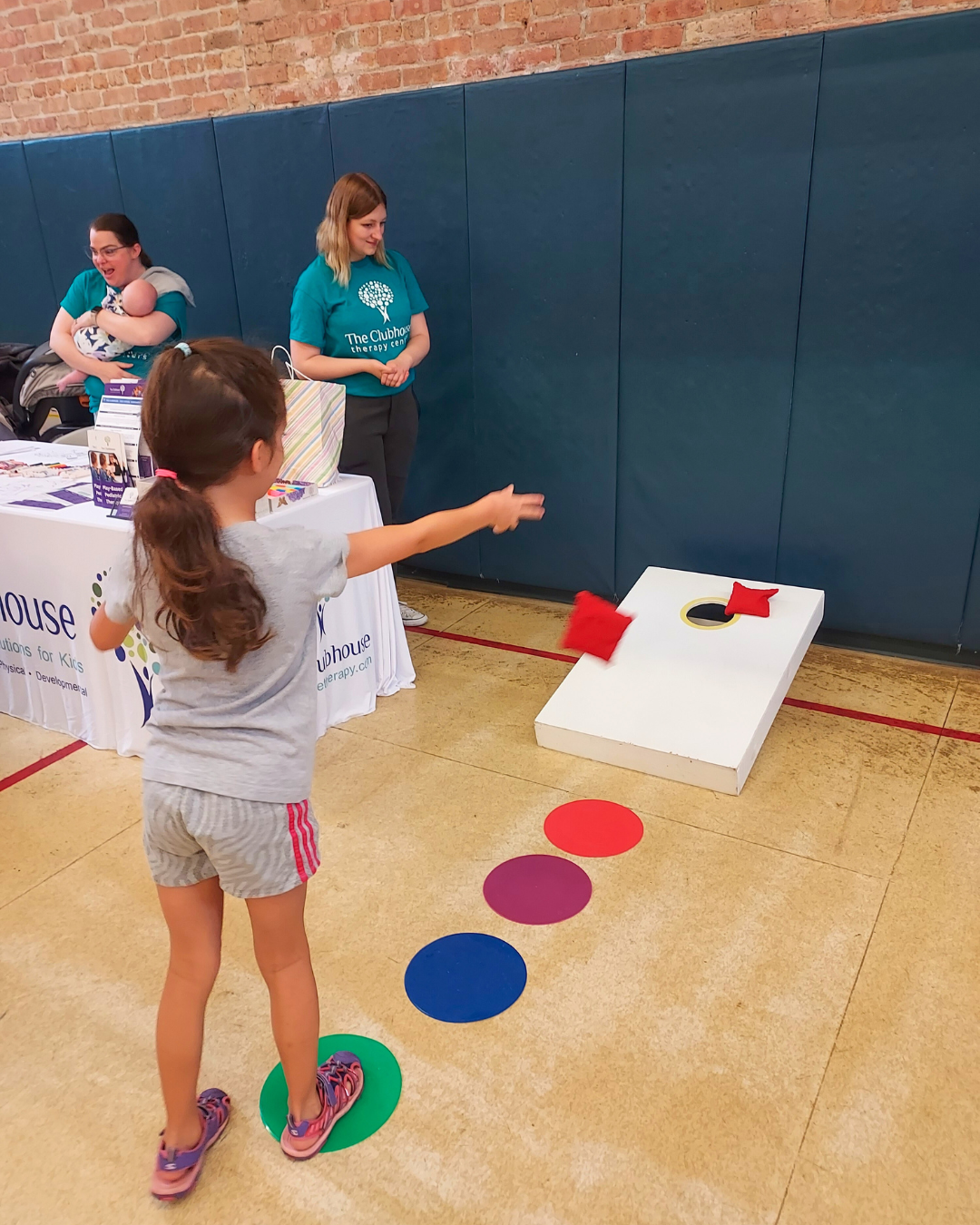
We help children transfer their skills across everyday environments like home, school, and the community. This ensures therapy progress turns into meaningful, lasting change.

Visual Supports
Visual aids, sensory tools, and adaptive equipment help children stay engaged and participate fully in therapy. These tools are especially helpful for children working on feeding-related challenges and are often used alongside feeding and oral-motor therapy.
Sensory Integration Activities
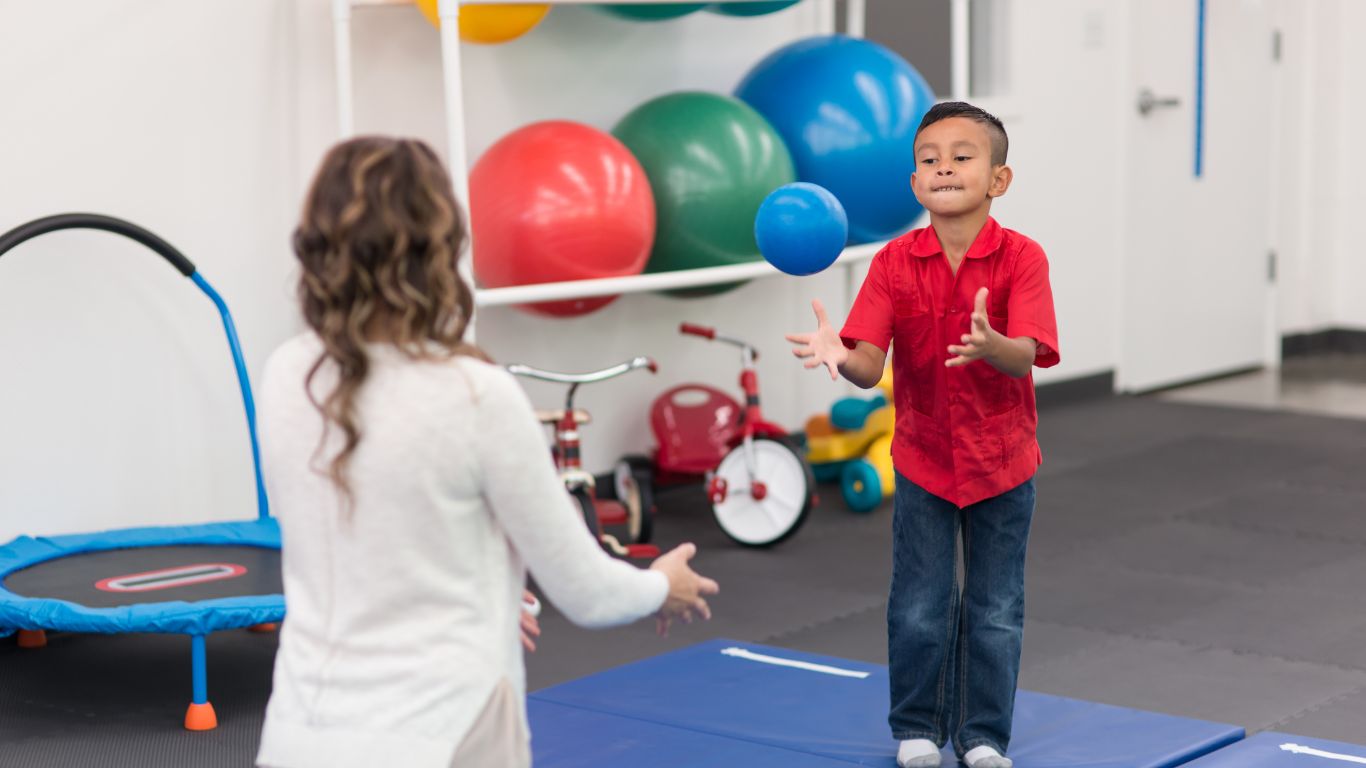
Play is used as a powerful tool to improve coordination, focus, and sensory regulation. These activities are tailored to each child’s needs and can align with goals also targeted in speech therapy.
Our Step-by-Step Occupational Therapy Model
Our occupational therapy program is built to meet each child’s unique needs and goals. From the first evaluation to every session after, we focus on meaningful progress that supports long-term growth.
1- Initial Assessment
We begin with a full occupational therapy assessment to understand how your child moves, learns, and completes tasks. This helps us decide where to focus therapy and how to support progress.
2- Creating Your Child’s Therapy Plan
After the evaluation, we design a custom plan with clear goals based on your child’s needs and personality. The plan may include sensory strategies, task adjustments, and home routines. We also build in activities that support visual-motor coordination skills in a fun and meaningful way.
3- Choosing the Right Schedule
Therapy sessions are scheduled based on what works best for your child, usually one to three times a week for 30 to 60 minutes. We may also suggest short home activities to help strengthen skills between visits.
4- Hands-on Learning in Every Session
Each session includes guided activities like sensory integration activities, movement games, and fine motor practice. We also work on daily routines to support self-care and daily living skills. Everything is personalized to help your child stay engaged and make steady progress.
5- Tracking Growth and Making Changes
We keep detailed notes and use simple checklists to support ongoing progress monitoring. This helps us know when your child is ready to move forward or when we need to adjust the plan.
6- Caregiver Coaching
We coach parents and caregivers on simple strategies that fit into daily life. We may also introduce adaptive tool training to help your child succeed at home, school, or in the community.
What Parents Say About Our Occupational Therapy in the Chicago Area
Over 95% of families leave us a 5-star review on Google! See what our families said about their experience at the Clubhouse:
Our Insurance Providers
The Clubhouse works with families with all major insurance coverage. We are proudly an in-network provider for Blue Cross Blue Shield, Aetna, Cigna, United Healthcare, and Medicaid. While we are not in-network with other insurance companies, we can provide the necessary documentation to submit for reimbursement to your insurance company.
